

Why Laptop and Phone Prices Are Rising?
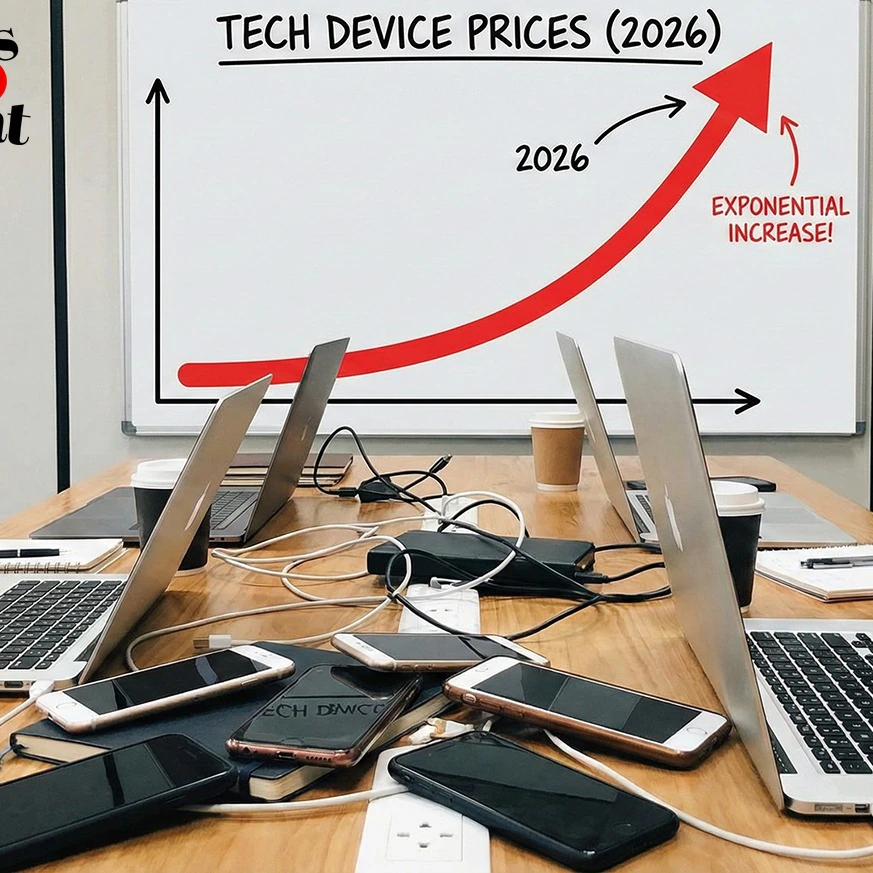
Technology has become an essential part of everyday life, but many shoppers have noticed that laptops and smartphones are becoming increasingly expensive. Whether you’re buying a budget device or a premium flagship, prices have steadily climbed over the past several years. While inflation plays a role, it’s far from the only reason.
Why Are Laptop and Phone Prices Increasing?
The cost of modern electronics depends on much more than simply assembling components. Every stage of production—from raw materials to shipping—has become more expensive.
Major factors include:
- Rising manufacturing costs
- More expensive processors and chips
- Inflation
- Higher labor costs
- Supply chain disruptions
- Advanced technology features
- Currency fluctuations
- Increased research and development spending
Let’s examine each factor in detail.
India Today
1. Semiconductor Costs Continue to Rise
Modern laptops and smartphones rely on incredibly advanced semiconductor chips.
Today’s processors feature:
- Smaller manufacturing processes
- Higher transistor counts
- AI accelerators
- Better graphics performance
- Improved energy efficiency
Developing these chips requires billions of dollars in research and fabrication facilities.
Leading chip manufacturers continuously invest enormous sums into next-generation production technology, and those costs are reflected in retail prices.
2. Advanced Hardware Costs More
Consumers now expect devices to include premium features that were once reserved for flagship models.
Examples include:
- OLED displays
- High-refresh-rate screens
- AI-powered processors
- Better cameras
- Faster SSD storage
- Larger batteries
- Advanced cooling systems
- Premium aluminum or titanium designs
Every improvement increases manufacturing costs.
3. Inflation Affects Every Part of Production
Inflation increases expenses throughout the supply chain.
Manufacturers pay more for:
- Raw materials
- Electricity
- Factory operations
- Transportation
- Warehousing
- Employee wages
When production becomes more expensive, retail prices usually follow.
4. Supply Chain Challenges
Although global supply chains have improved compared to the shortages seen during the pandemic, electronics manufacturing still faces occasional disruptions caused by:
- Shipping delays
- Factory slowdowns
- Natural disasters
- Regional conflicts
- Trade restrictions
Even small disruptions can increase production costs.
5. Higher Shipping Costs
Electronics travel through multiple countries before reaching consumers.
Products may require:
- Raw material transport
- Component shipping
- Factory assembly
- International freight
- Regional warehouses
- Local distribution
Any increase in fuel prices or transportation expenses eventually affects retail pricing.
6. Currency Exchange Rates
Many electronics companies manufacture products in one country while selling them worldwide.
When currencies fluctuate:
- Imported products become more expensive.
- Retail prices may increase even if manufacturing costs remain unchanged.
- Local distributors may adjust pricing to offset exchange-rate risks.
This is particularly noticeable in countries with volatile currencies.
7. Research and Development Spending
Modern electronics require constant innovation.
Manufacturers invest heavily in:
- Artificial intelligence
- Battery improvements
- Foldable displays
- Camera systems
- Security features
- Software optimization
- Energy efficiency
These investments help create better products but also increase overall production costs.
8. Premium Materials
Many flagship devices now feature premium construction materials such as:
- Aluminum
- Magnesium alloys
- Titanium
- Gorilla Glass
- Ceramic finishes
These materials improve durability and appearance but cost significantly more than plastic.
9. Better Cameras Increase Prices
Smartphone cameras have become one of the biggest selling points.
Manufacturers now include:
- Larger sensors
- Optical image stabilization
- Multiple camera systems
- Periscope zoom lenses
- AI image processing
- Advanced video capabilities
Camera hardware alone can represent a substantial portion of a smartphone’s production cost.
10. Artificial Intelligence Features
AI has become a major selling point in both laptops and smartphones.
Modern devices increasingly include:
- Dedicated AI processors (NPUs)
- On-device language models
- AI photo editing
- Real-time translation
- Voice assistants
- Smart battery management
- AI-powered search
Building hardware capable of running these features adds to manufacturing costs.
11. Longer Software Support
Manufacturers now provide software updates for many years.
Long-term support requires:
- Software engineering teams
- Security testing
- Compatibility updates
- Customer support
Although software isn’t a physical component, maintaining devices for years increases overall costs.
12. Marketing and Brand Positioning
Major manufacturers spend billions on:
- Advertising
- Product launches
- Sponsorships
- Retail partnerships
- Customer support
- Global distribution
Premium brands often price products higher because consumers associate them with quality, reliability, and ecosystem integration.
Are Budget Devices Also Becoming More Expensive?
Yes, but generally at a slower pace.
Budget models still benefit from:
- Older manufacturing processes
- Less expensive components
- Simpler camera systems
- Plastic construction
However, inflation and rising manufacturing costs still affect entry-level products.
Is It Worth Waiting for Prices to Drop?
Sometimes.
You may save money by:
- Buying during major sales events
- Purchasing last year’s flagship model
- Waiting several months after a product launch
- Considering certified refurbished devices
However, if rising manufacturing costs continue, future models may actually become more expensive.

How to Save Money When Buying Electronics
Consider these strategies:
- Compare prices across multiple retailers.
- Buy previous-generation devices.
- Look for student or business discounts.
- Purchase during holiday sales.
- Evaluate refurbished products from reputable sellers.
- Avoid paying extra for features you don’t need.
- Compare total ownership costs, including accessories and extended warranties.
Should You Buy Now or Wait?
The answer depends on your situation.
Buy now if:
- Your current device is failing.
- You need improved performance for work or school.
- You find a strong discount on a model that meets your needs.
Wait if:
- A new generation is expected soon.
- Current prices are unusually high.
- You can comfortably use your existing device for several more months.

Common Myths
“Companies are raising prices only for profit.”
Profit is one factor, but rising component costs, inflation, logistics, research, and long-term software support all contribute to higher prices.
“Technology should become cheaper every year.”
While manufacturing efficiency improves, modern devices include far more advanced hardware than previous generations, offsetting many cost reductions.
“Budget phones are immune to inflation.”
Even affordable devices are affected by higher component, shipping, and labor costs.
READ ALSO: Best thermal paste for a CPU

Hi, this is Masab, the Founder of PC Building Lab. I’m a PC enthusiast who loves to share the prior knowledge and experience that I have with computers. Well, troubleshooting computers is in my DNA, what else I could say….